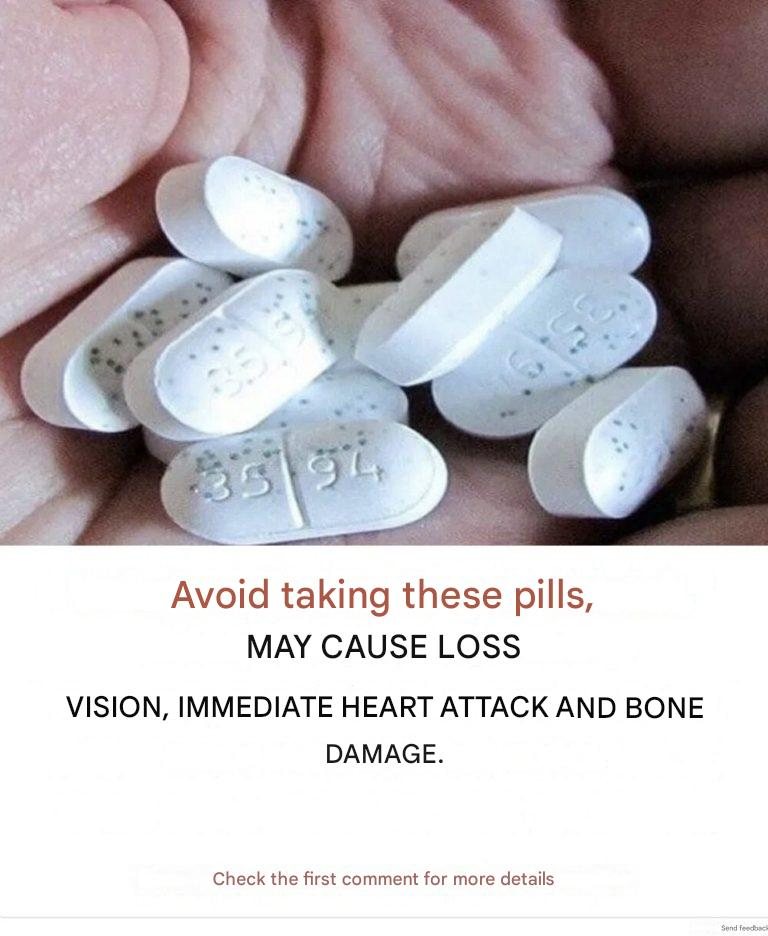
A few different types of tablets are known to increase the risk of blood clots (thrombosis), which in rare cases can lead to heart attacks or strokes. It’s not all tablets—only certain categories, and even then the risk depends on your personal health.
Here are the main ones:
1. Hormonal contraceptive pills (birth control)
- Contain estrogen (combined oral contraceptives)
- Examples: pills with ethinyl estradiol + progestin
Why: Estrogen can increase blood clotting tendency.
Higher risk if: smoking, age >35, obesity, history of clots.
2. Hormone replacement therapy (HRT)
- Used for menopause symptoms
Why: Similar to contraceptives, estrogen raises clot risk.
3. Certain cancer medications
- Examples: tamoxifen, some chemotherapy drugs
Why: They can affect clotting mechanisms and blood flow.
4. Some anti-inflammatory drugs (NSAIDs)
- Examples: Ibuprofen, Diclofenac
Why: Long-term or high-dose use may slightly increase risk of heart attack or stroke, especially in people with heart disease.
5. Erythropoiesis-stimulating agents (less common tablets)
- Used to treat anemia
Why: Increase red blood cells, which can thicken blood.
6. Some antipsychotic medications
- Used for psychiatric conditions
Why: Associated with a small increased risk of blood clots.
Important reality check
- These medications do not usually cause clots in healthy people.
- The warnings exist because the risk is higher than baseline, not because it’s common.
- Many people take these safely under medical supervision.
When risk becomes more serious
The chance of clots goes up if you:
- Smoke
- Sit for long periods (immobility)
- Have a clotting disorder
- Are overweight
- Have high blood pressure or diabetes
If you want, tell me the exact tablet name you’re worried about—I can give you a much clearer, personalized explanation of the real risk (not just the scary warning label).